What Is a Bail Bond? Surety Bonds Explained for Dallas County Families
Explains the difference between bail and a bail bond, how a surety bond works through a licensed agent, the role of the non-refundable premium, and the cosigner’s financial responsibility.
A bail bond is a contract between three parties: the defendant, a licensed bail bond agent (the surety), and the court. When a Dallas County magistrate sets bail at the Lew Sterrett Justice Center, most families cannot afford to pay the full amount in cash. A surety bail bond solves this by allowing a licensed agent to post the full bond amount on the defendant’s behalf in exchange for a non-refundable premium. Under Texas Occupations Code Chapter 1704, bail bond agents in Dallas County must hold a license issued by the Dallas County Bail Bond Board, which operates out of the Frank Crowley Courts Building at 133 N. Riverfront Blvd., Dallas, TX 75207.
The premium a bail bond agent charges depends on the bail amount and the specifics of the case. This fee is the agent’s compensation for guaranteeing the defendant’s appearance in court and is not refundable regardless of the outcome of the case. The agent posts a surety bond with the Dallas County Sheriff’s Office, pledging the full bail amount to the court and assuming financial responsibility if the defendant fails to appear. For an exact quote based on the specifics of a case, call (214) 744-1414.
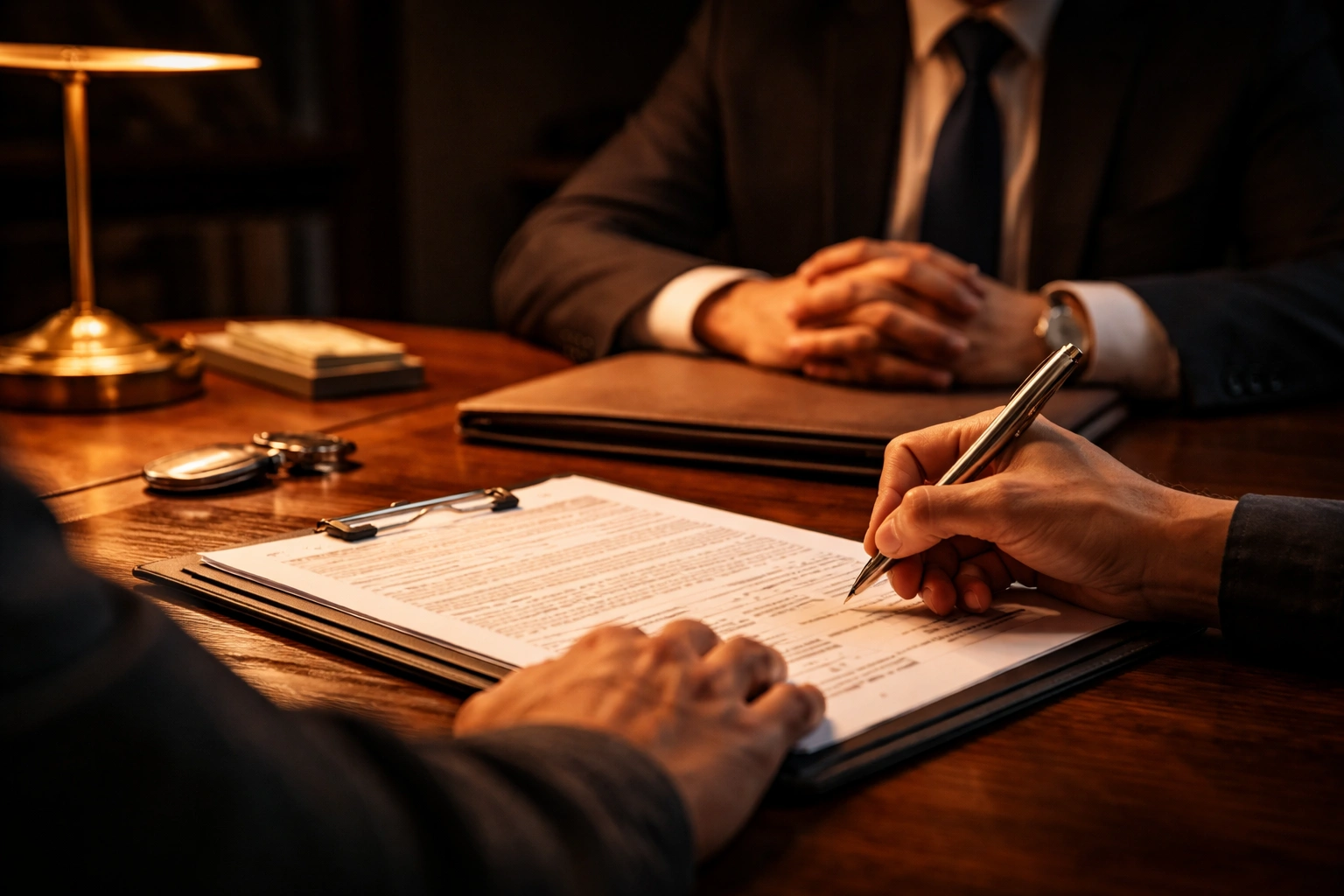
Because the bail bond agent takes on significant financial risk, most bonds require a cosigner, also called an indemnitor. The cosigner signs a legally binding indemnity agreement promising to cover the full bond amount if the defendant skips court or violates bond conditions. Depending on the bond amount, the agent may also require collateral such as a vehicle title, real estate deed, or other assets. If you need a surety bond posted in Dallas County and want to understand exactly what is required, contact Act Quick Bail Bonds at (214) 744-1414.