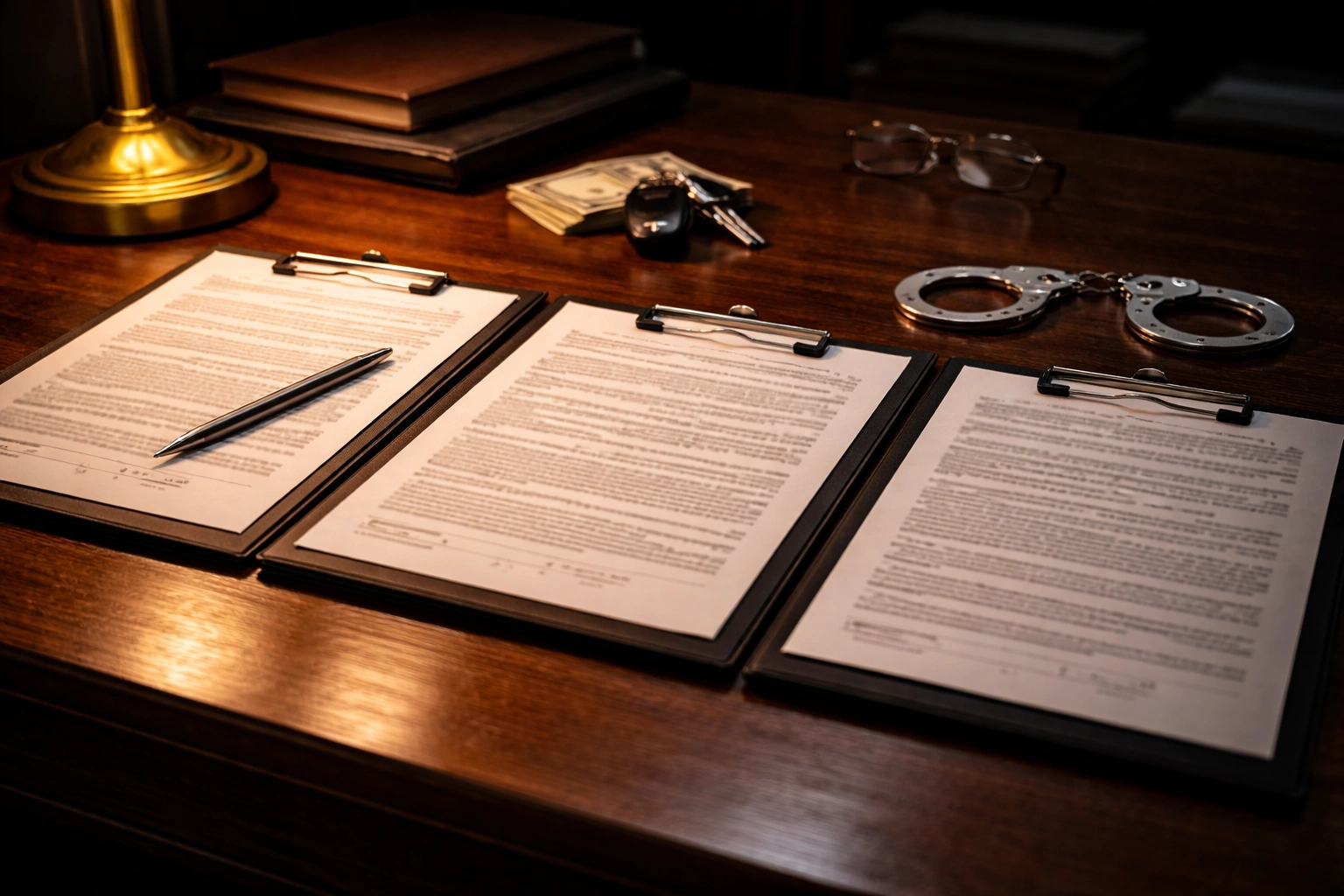
Surety Bonds Through a Licensed Bail Bond Agent
Surety bonds are the most common type of bond used in Dallas County. A licensed bail bond agent posts the bond on behalf of the defendant, guaranteeing to the court that the defendant will appear for all scheduled court dates.
The bail bond agent works with an indemnitor — typically a family member or friend — who signs an agreement taking financial responsibility if the defendant fails to appear. This arrangement allows defendants to be released without the family paying the full bond amount.
The Indemnitor Agreement
The indemnitor agreement is a legally binding contract between the bail bond company and the person securing the bond. The indemnitor agrees to ensure the defendant appears at all court dates and to be financially responsible if the defendant absconds. Understanding this agreement before signing is essential.
What Happens If the Defendant Fails to Appear
If the defendant fails to appear, the court issues a forfeiture notice. The bail bond company has a limited period to locate the defendant and return them to custody. If the defendant is not found, the indemnitor becomes liable for the full bond amount. This is why maintaining contact with the defendant and ensuring court attendance is critical.
Personal Recognizance Bonds in Dallas County
A personal recognizance (PR) bond releases the defendant on their promise to appear in court, without requiring any financial payment. Dallas County Pretrial Services conducts interviews to assess PR bond eligibility, evaluating factors like employment, housing stability, criminal history, and community ties.
PR bonds are most commonly granted for first-time misdemeanor offenders who score well on the pretrial assessment. They are rarely granted for violent offenses, felony charges, or defendants with prior failures to appear.
The Pretrial Services Interview
Dallas County Pretrial Services conducts a standardized interview during the booking process. The assessment covers residential stability, employment history, family connections in the area, substance abuse history, and prior criminal record. The resulting score helps the magistrate determine PR bond eligibility.
PR Bond Conditions and Supervision
PR bonds are not unconditional. Dallas County typically requires supervised release with regular check-ins with Pretrial Services, drug testing if applicable, and compliance with all standard bond conditions. Failure to comply results in revocation and issuance of an arrest warrant.
Choosing the Right Bond Type for Your Dallas County Case
The type of bond available depends on the charges, the magistrate's decision, and the defendant's financial resources. In most Dallas County cases, a surety bond through a licensed bail bond agent is the fastest and most practical path to release.
Act Quick Bail Bonds can advise families on which bond type applies to their specific situation and help navigate the process from start to finish. Our agents are available 24/7 to answer questions and begin the bond process.
Attorney Bonds
Texas law allows a licensed attorney to post bond on behalf of a client. Attorney bonds are less common but may be used when the defendant already has legal representation. The attorney takes personal responsibility for the defendant's court appearances. This option is typically reserved for lower-bond cases.
When to Call a Bail Bond Agent
A surety bond through a bail bond agent is the most common way to secure release without tying up large sums of money. Act Quick can help you evaluate which option makes the most sense.